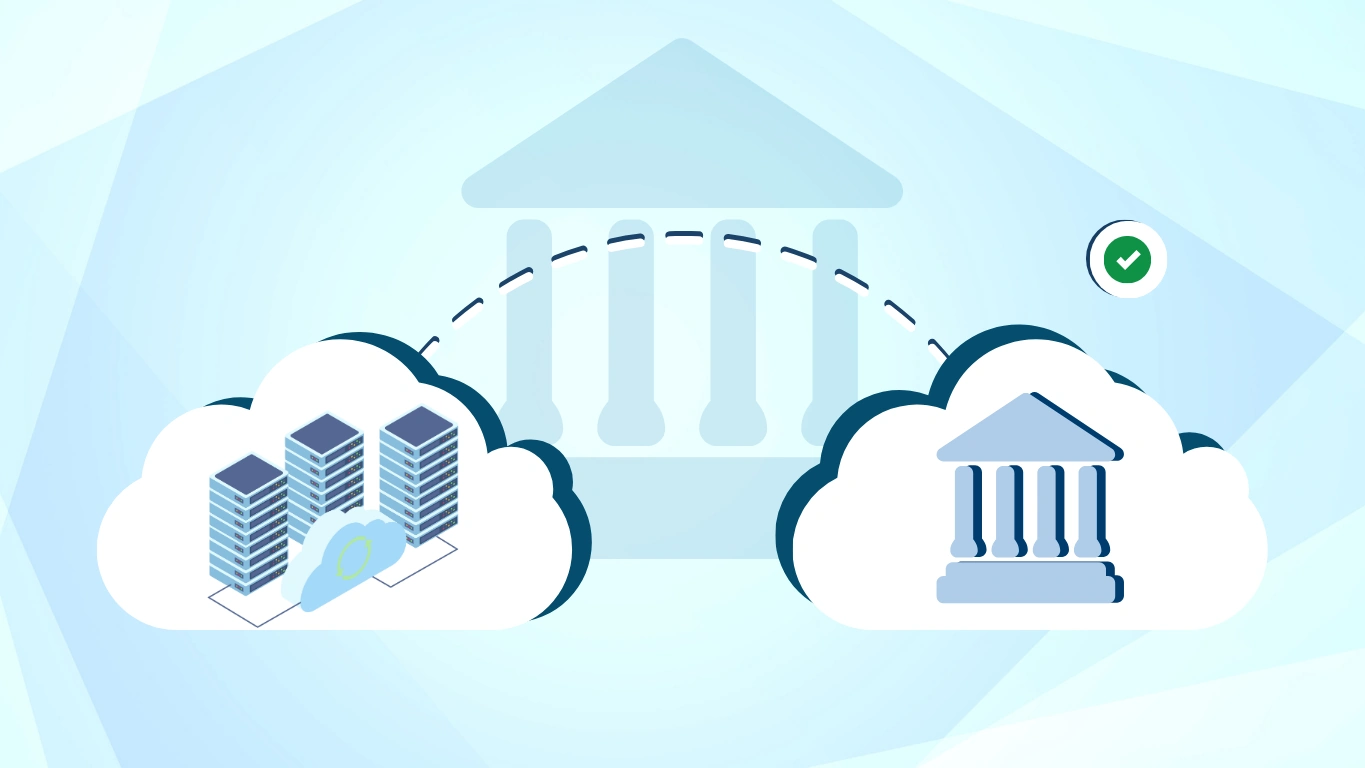
A tenant-to-tenant migration in GCC High is one of the fastest ways for a government contractor to accidentally introduce compliance risk. Even when the end state is more secure than where they started, there are certain things contractors need to be aware of during the migration process.
These migrations are typically driven by compliance requirements. Government contractors initiate tenant-to-tenant migrations when existing environments cannot meet CUI handling requirements under DFARS 252.204-7012 and NIST SP 800-171—most commonly during CMMC preparation, boundary scoping corrections, or transitions into GCC High.
The problem? On paper, the objective appears straightforward. Under scrutiny, migration becomes a control validation event.
- Over-permissioned access to CUI
- Broken audit trails and retention gaps
- Temporary exposure of regulated data
- User lockouts that disrupt operations at critical moments
Agile IT Insight
Tenant-to-tenant migrations in GCC High differ significantly from migrations in commercial Microsoft 365 environments. Understanding these differences early reduces the likelihood of operational disruption or compliance exposure later.
Compliance Requirements
GCC High environments are designed to support sensitive government data, including CUI (both CUI Basic and CUI Specified, such as export-controlled technical data), and FCI. During a tenant-to-tenant migration, organizations must maintain alignment with regulatory frameworks such as NIST SP 800-171, CMMC 2.0, and DFARS 7012, as well as applicable CUI handling requirements —without exception.
Temporary gaps in access controls, logging, or retention can still constitute compliance failures, even if they occur during a transition period.
Agile IT Insight
Many migration tools commonly used in commercial environments are not validated for GCC High or lack the security controls required for regulated data. Tool selection must account for:
- GCC High compatibility
- FedRAMP-aligned security controls
- Data residency and audit visibility
Choosing tools based solely on speed or convenience can introduce unnecessary risk.
Identity Management and Access Continuity
Identity is one of the most fragile components of a tenant-to-tenant migration. Without careful planning, organizations risk granting excessive permissions, breaking access to critical data, or weakening conditional access controls during the transition.
Maintaining strong Identity and Access Management (IAM) policies before, during, and after the migration is essential to protecting CUI and maintaining compliance.
Agile IT Insight
Successful GCC High migrations begin long before any data is moved. A thorough pre-migration assessment establishes visibility, reduces surprises, and prevents compliance gaps from carrying forward into the new tenant.
Asset and Data Inventory
Organizations should begin by inventorying all assets slated for migration, including mailboxes, OneDrive data, SharePoint sites, Teams, and line-of-business integrations. Identifying where sensitive data such as CUI resides is critical to ensuring appropriate protections are applied throughout the migration process.
Compliance Posture Review
A pre-migration gap analysis against NIST SP 800-171 helps organizations understand their current compliance posture and identify controls that must be addressed in the destination tenant. Migrating unresolved compliance issues often compounds risk rather than resolving it.
User Identity Mapping
User identity mapping links accounts in the source tenant to their counterparts in the destination tenant. This step preserves permissions, ownership, and metadata while preventing access disruptions after cutover. Poor identity mapping is one of the most common causes of post-migration user issues.
Selecting the Right Migration Strategy
Migration approach and tooling decisions directly affect operational risk, downtime, and compliance outcomes.
Staged vs. Big-Bang Migration
While a “big-bang” migration may appear faster, staged migrations are generally better suited for GCC High environments. Phased approaches allow organizations to validate each stage, reduce blast radius, and maintain clearer rollback options when handling regulated data.
Agile IT Insight
Microsoft-native tools can support portions of a tenant-to-tenant migration, but third-party platforms often provide enhanced automation, reporting, and validation capabilities. Tool selection should prioritize compliance alignment, visibility, and control over raw migration speed.
Working With a Microsoft-Approved Partner
Partnering with a Microsoft AOS-G–approved provider helps organizations navigate GCC High licensing, validation requirements, and migration execution. Experienced partners understand the nuances of government cloud environments and can help avoid common pitfalls that lead to delays or compliance findings.
Executing the Migration
Once planning is complete, execution should follow a controlled, security-first process.
Key execution steps include:
- Provisioning and securing the destination GCC High tenant
- Aligning baseline security configurations and policies
- Communicating migration phases and expectations internally
- Migrating workloads incrementally, beginning with pilot users
- Validating data integrity, permissions, and service functionality after each phase
Data should not be considered secure—or compliant—until it has been validated in the destination tenant.
Post-Migration Governance and Optimization
Tenant-to-tenant migration is not the finish line. Long-term success depends on disciplined post-migration governance.
User Training and Adoption
Users must understand how to operate within GCC High and how compliance expectations may differ from commercial environments. Ongoing training reduces accidental policy violations and improves operational efficiency.
Ongoing Access and Compliance Monitoring
Regular access reviews, least-privilege enforcement, and continuous compliance assessments help prevent configuration drift over time. Monitoring should focus on both security posture and audit readiness.
For organizations operating under CMMC Level 2, post-migration monitoring should also be managed through formal change control. Tenant-to-tenant migrations and post-cutover configuration changes should be tracked, reviewed, approved, and auditable, with documented security impact analysis. If the source tenant was already assessed, it’s also important to evaluate how the new tenant affects assessment scope and evidence, because a migration can introduce enough change that reassessment or additional validation may be required.
Agile IT Insight
After validation is complete and retention requirements are satisfied, decommissioning the legacy tenant reduces attack surface, licensing overhead, and administrative complexity.
Ready to Migrate to GCC High?
Tenant-to-tenant migrations in GCC High require more than technical execution—they demand a compliance-first strategy that protects sensitive data at every stage of the transition.
Agile IT has extensive experience supporting regulated organizations through complex GCC High migrations. As a Microsoft AOS-G partner and CyberAB-authorized RPO, Agile IT helps organizations plan, execute, and govern tenant-to-tenant migrations while maintaining alignment with CMMC 2.0, DFARS 7012, NIST SP 800-171, and CUI Specified handling requirements, including export-controlled technical data..
If you are planning a GCC High tenant-to-tenant migration, contact Agile IT to discuss a strategy designed to protect continuity, security, and compliance from day one.
ON THIS PAGE
Looking to hire an MSP for CMMC?
Click the button below now.
Lorem ipsum dolor sit amet,
Lorem ipsum dolor sit amet, consectetur adipiscing elit. Ut elit tellus, luctus nec
Add Your Heading Text Here
Lorem ipsum dolor sit amet, consectetur adipiscing elit. Ut elit tellus, luctus nec
Frequently Asked Questions
Item #1
Lorem ipsum dolor sit amet, consectetur adipiscing elit. Ut elit tellus, luctus nec ullamcorper mattis, pulvinar dapibus leo.
Item #2
Item #3
Related Posts
Why Hire an MSP for CMMC Certification Support
Why Hire an MSP for CMMC Certification Support? We don’t start with tools. We start with requirements, and we build from there. Small and medium-sized
Understanding the GCC High Validation Process
Learn how Microsoft validates organizations for GCC High, including eligibility requirements, documentation, and approval timelines for secure cloud access.

Understanding CMMC Level 1’s 17 Required Practices
Learn about the 17 cybersecurity practices required for CMMC Level 1 compliance. Understand basic safeguarding measures and how they help protect federal contract information (FCI).